Wedding Dress Alterations in the UK: What They Cost and When to Start

Wedding dress alterations in the UK typically start at around £200 and can pass £500 once the work gets more involved, and most brides book their first fitting 8 to 12 weeks before the wedding. Almost every gown needs some adjustment, even one ordered in exactly the right size, so it pays to plan for it from the moment you choose your dress.

Why almost every wedding dress needs altering
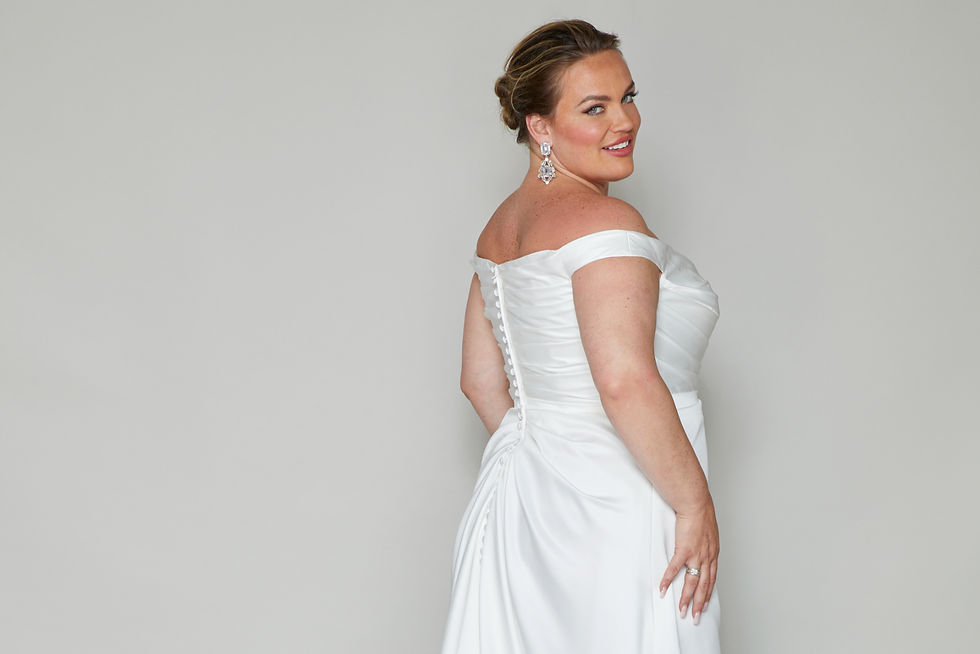
A wedding dress is made to a standard size, not to you, so a little tailoring is a normal part of the process.
Bridal gowns are produced in set sizes and then fitted to the individual. Your height, and the way you carry your curves through the bust, waist and hips, will never match a pattern exactly. A hem and a few small adjustments are part of buying a wedding dress for most brides, and they are not a sign that something has gone wrong.
Sizing works a little differently in bridal, too. Sizes often run smaller than the high street, and taking a dress in is generally easier than letting it out. If that is new to you, our complete guide to plus-size wedding dresses in the UK explains how bridal sizing works.
The most common wedding dress alterations
From the hem to the bustle, here is what a seamstress will usually do and why.
Shortening the hem
This is the alteration nearly every bride needs. Your seamstress will shorten the dress so it skims the floor in the shoes you will actually wear, which is why you should take them to every fitting. Skirts with several layers take longer because each layer has to be hemmed.
Taking in or letting out
Taking a gown in is the most common fit adjustment, and a good bridal seamstress can usually manage around two sizes. Letting a dress out is more limited, because it depends on how much spare fabric (the seam allowance) was left inside the seams. Many designer gowns carry roughly 2 inches, about 5cm, though it varies from dress to dress.
On some styles, swapping a zip for a corset back can give extra room and a more forgiving fit. Our guide to corset back vs zip back explains how each one behaves.
Straps, sleeves and support
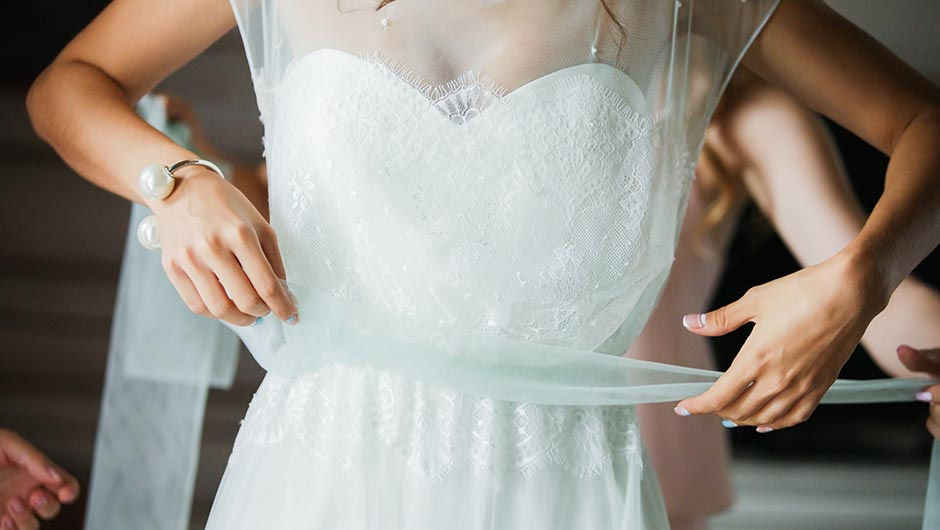
Straps can be shortened or tightened so the bodice sits perfectly, sleeves can be added or removed, and bra cups can be sewn in for support without needing separate underwear. These small changes often make the biggest difference to how comfortable a gown feels through a long day.
The bustle
A bustle lifts a long train off the floor for the reception, so you can dance and mingle without treading on your own dress. It is usually fitted towards the end of the process, and the final fitting is where you learn how it fastens. Bring the friend or bridesmaid who will be doing it up on the day.
What alterations can't do
Tailoring refines a dress, but it can't turn it into a different gown entirely
A seamstress can adjust the fit and the finish of a gown, but she can't change its silhouette completely, so a mermaid will never become a ball gown. Letting out is capped by the seam allowance, and heavily beaded or patterned lace can be harder to work with, because anything running across a seam has to be matched back up.
How much do wedding dress alterations cost in the UK?
A realistic budget for hemming, fitting and a bustle, and what pushes the price up.
According to Bridebook's UK guide, alterations typically cost from £200 to £500 or more in total. A hem alone can run from £100 to £200 or more, with each extra layer of skirt adding roughly £20 to £40.
Several things move the price:
the number of layers in the skirt
the amount of lace or beading
how much fitting work is needed
how experienced your seamstress is
where you live, with London usually costing more
how close to the wedding you book, as rush fees are common
Outlet and sample gowns, such as the styles in Our Ivory Outlet, are a lovely way to find a designer dress for less. They come in a set size, so it is worth allowing a little extra for tailoring them to you. Ask for a written quote at your first fitting, so there are no surprises later.
When to start and how many fittings you'll need
Book your seamstress early: most brides begin 8 to 12 weeks out and have two or three fittings.
Alterations sit at the end of a longer timeline. A made-to-order gown commonly takes four to six months to arrive from the designer, so our guide to how many months before your wedding to start dress shopping is a good place to begin.
Once the dress is in, most brides have their first fitting 8 to 12 weeks before the wedding. Two or three fittings is typical, with a final one in the last week or two so you can collect the gown ready to wear. Good bridal seamstresses book up months ahead in wedding season, so it is worth ringing around as soon as you have ordered.
Bring your wedding shoes, the underwear or shapewear you plan to wear, and any veil or accessories to each fitting. Our wedding dress fitting checklist covers everything else worth packing.
Choosing the right seamstress
Look for bridal experience, not just a good hem.
Not every seamstress works with wedding gowns, and the fabrics are less forgiving than everyday clothing. Ask whether they have altered your style and fabric before, what the quote includes and how many fittings it covers. It is also worth asking whether the dress will be steamed when you collect it and whether you are covered if anything is damaged along the way.
FAQ
How much do wedding dress alterations cost in the UK?
Most brides should budget from around £200 to £500 or more in total. A simple hem and fit sits towards the lower end, and extra layers, lace, beading or bigger changes push the price up.
How long do wedding dress alterations take?
Plan on 8 to 12 weeks from your first fitting to collecting the dress, with two or three fittings along the way. Simple work such as a hem can sometimes be done faster, but rush fees often apply.
How many sizes can a wedding dress be taken in or let out?
A gown can usually be taken in by around two sizes. Letting out is more limited and depends on the seam allowance, often around 2 inches in total, so always check with a seamstress before you order.
Find the dress first, then the fit
The alterations you need depend entirely on the gown, which makes choosing the right dress in the right size the best first step. At Confetti & Curves, your private two-hour appointment gives you time to try on gowns designed for curves and see how each one fits and moves.
Book your appointment online or call us on 01582 882100 at The Olde Watermill Shopping Village in Barton-le-Clay, Bedfordshire.